How Much Does Mobile App Development Cost in 2026?
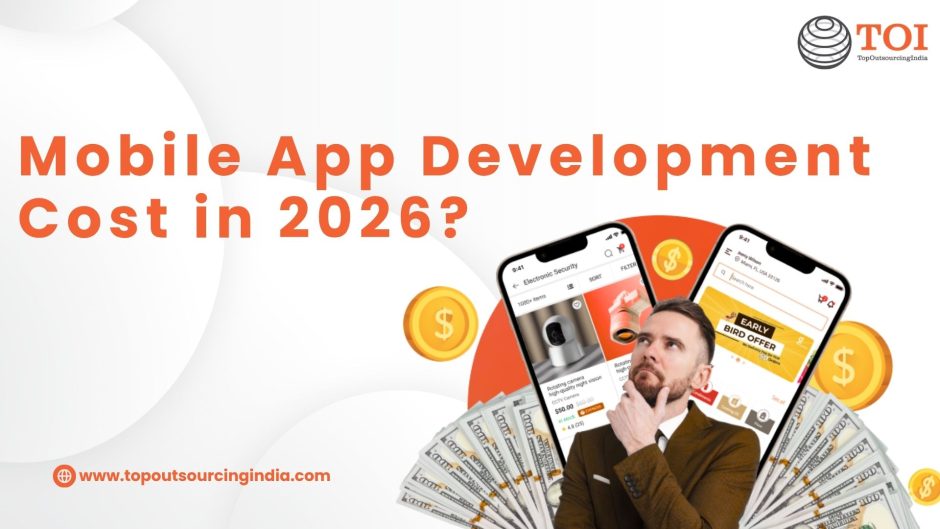
So you have a brilliant app idea, and now you are wondering how much it will actually cost to bring it to life. You are not alone. App development cost is one of the very first questions that businesses, startups, and entrepreneurs want to figure out before they take the leap.
The honest answer is that it depends on a lot of things. But that does not mean you have to go in blind. Understanding app development company cost is the first step to budgeting smartly, because what an agency charges versus what a freelancer charges can differ by hundreds of thousands of dollars.
In this guide, we break down everything you need to know about mobile app development cost in 2026, from the basic numbers to the hidden expenses that most blogs never talk about. By the time you finish reading this, you will have a clear picture of what your budget should look like and where your money actually goes.
What Is the Average App Development Cost in 2026?
According to data from Clutch, the average cost of an app development project is around $90,780. But that number alone does not tell the full story.
In reality, app development costs in 2026 typically fall somewhere between $40,000 for a simple app and $400,000 or more for a complex platform. Enterprise-level apps can push well past $500,000 depending on how much customization and scale are involved.
| App Type | Estimated Cost | Development Time |
|---|---|---|
| Simple App | $40,000 to $100,000 | 3 to 6 months |
| Medium Complexity App | $100,000 to $200,000 | 6 to 9 months |
| Advanced App | $200,000 to $400,000 | 9 to 12 months |
| Enterprise App | $400,000 and above | 12 to 18 months or more |
Think of building an app the same way you think about building a house. A one-bedroom apartment costs far less than a multi-story smart home with automated systems. Your app works the same way. The more you pack into it, the more it costs.
How Is App Development Cost Actually Calculated?
Before we go deeper, it helps to understand the basic formula behind any cost estimate you receive from a development company.
- Total Cost = Development Hours x Developer Hourly Rate
For example, if your app takes 2,500 hours to build and the development team charges $40 per hour, your total comes out to $100,000.
App development rates fluctuate based on geography and experience level, which is why two agencies can quote wildly different prices for the exact same set of features. The two variables here are what change everything. Development hours go up as your app becomes more complex. Developer hourly rates go up or down based on where the team is located and how experienced they are.
Once you understand this formula, you can start asking better questions when you talk to any development company.
Key Factors That Affect App Development Cost
There is no fixed price tag on app development because too many factors pull the number up or down. Here are the ones that matter the most.
1. App Complexity and Features
This is the single biggest driver of mobile app development cost. A simple app with login screens and a dashboard is nowhere near as expensive as an AI-powered platform with real-time syncing, role-based access, and custom analytics.
Here is how features break down by cost:
| Feature Level | What It Includes | Estimated Cost | Timeline |
|---|---|---|---|
| Basic Features | Login, user profile, simple dashboard, contact form | $10,000 to $20,000 | 3 to 6 weeks |
| Moderate Features | Push notifications, payment gateway, social login, analytics | $20,000 to $30,000 | 6 to 10 weeks |
| Advanced Features | AI recommendations, AR/VR, voice commands, real-time data sync | $30,000 to $50,000+ | 10 to 16 weeks |
A smart strategy is to build a minimum viable product first. An MVP gives you a working app with just the core features so you can test it with real users before spending more money on extras. This approach alone can save you tens of thousands of dollars early on.
2. App Platform Choice
Are you building for iOS, Android, or both? This decision plays a big role in the total app development cost you will face.
Building a native app for each platform essentially means building two separate apps. That doubles your budget in most cases. A more cost-effective option is to go with cross-platform development using tools like Flutter or React Native. With these, one codebase runs on both iOS and Android, which can cut your development time and cost by 20 to 40 percent.
If you are a startup with a tight budget, it is often smarter to launch on one platform first, gather feedback, and then expand.
3. UI and UX Design
People judge apps in seconds. A well-designed user interface keeps people using your app. A confusing one sends them straight to a competitor’s app. Good design is not just about looks; it is a business asset.
Here is what design typically costs:
| Design Component | Estimated Cost |
|---|---|
| UX Research and Wireframes | $2,000 to $8,000 |
| UI Design and Mockups | $10,000 to $40,000 |
| Branding and Icons | $5,000 to $20,000 |
| Animations and Illustrations | $1,000 to $20,000 |
Custom UI design costs more than using standard pre-built components. But if your brand depends on standing out, the investment is usually worth it. Apps like Pizza Hut saw a 30 percent increase in conversion rates after investing in a more engaging app design.
4. Backend Development
Every app that stores data, handles user accounts, or connects to outside services needs a backend. This is the server-side infrastructure that makes your app actually work behind the scenes.
| Backend Type | What It Covers | Estimated Cost |
|---|---|---|
| Simple Backend | Basic data storage and user authentication | $5,000 to $20,000 |
| Complex Backend | Real-time processing, AI integration, third-party APIs, and high scalability | $50,000 to $200,000+ |
Ongoing hosting costs for your backend infrastructure can run anywhere from $200 to $5,000 or more per month, depending on how many users you have.
5. Technology Stack and Integrations
The technologies you choose for your app shape both the cost and the future of your product. Apps that use AI, IoT hardware, blockchain, or augmented reality require specialized developers who naturally charge more.
Here is what some technology integrations typically cost:
| Technology | Estimated Cost | Development Time |
|---|---|---|
| AI and Machine Learning Features | $80,000 to $350,000+ | 6 to 12 months |
| IoT Integration | $80,000 to $500,000+ | 8 to 12 months |
| Blockchain | $100,000 to $500,000+ | 12 months+ |
| AR and VR | $100,000 to $400,000+ | 6 to 12 months |
| Cloud-Powered Infrastructure | $70,000 to $200,000+ | 8 to 12 months |
Third-party integrations like payment gateways, social logins, and analytics dashboards also add to your budget. Basic integrations usually cost between $5,000 and $10,000, while advanced multi-API setups can push into the $10,000 to $30,000 range.
6. Size and Location of Your Development Team
Who builds your app directly affects what you pay. You can choose between a freelancer, an in-house team, or an app development company.
When evaluating app development company cost, you need to factor in not just developer salaries but also project management, QA, and DevOps overhead that agencies bundle into their rates. Freelancers tend to charge less per hour but often lack the structured process and multidisciplinary expertise that full agencies bring. In-house teams give you control but come with high operating costs, including salaries, benefits, and equipment.
Here is a rough estimate of what a full development team costs based on app complexity:
| Role | Simple App | Medium App | Complex App |
|---|---|---|---|
| Developers | $30,000 to $60,000 | $60,000 to $150,000 | $150,000 to $400,000+ |
| UI/UX Designer | $4,000 to $8,000 | $7,000 to $20,000 | $15,000 to $50,000+ |
| Project Manager | $5,000 to $10,000 | $10,000 to $25,000 | $20,000 to $60,000+ |
| QA Specialist | $8,000 to $15,000 | $15,000 to $30,000 | $25,000 to $70,000+ |
| DevOps and BA | $4,000 to $10,000 | $10,000 to $30,000 | $20,000 to $60,000+ |
App Development Cost by Location
Where your development team is based has a massive impact on your bill. App development rates vary more by location than almost any other factor. A senior mobile app developer in the US may charge five times what an equally skilled developer in Southeast Asia charges per hour. Here is a current breakdown for 2026:
| Region | iOS (per hour) | Android (per hour) | Cross-Platform (per hour) |
|---|---|---|---|
| India | $22 to $90 | $15 to $25 | $20 to $30 |
| Southeast Asia | $23 to $55 | $30 to $45 | $30 to $45 |
| Eastern Europe | $35 to $78 | $38 to $60 | $40 to $78 |
| Middle East | $30 to $70 | $35 to $60 | $30 to $70 |
| United States | $60 to $120 | $60 to $120 | $60 to $130 |
| United Kingdom | $60 to $75 | $60 to $75 | $55 to $75 |
| Canada | $90 to $120 | $80 to $140 | $90 to $120 |
| Australia | $90 to $120 | $100 to $120 | $90 to $120 |
Many businesses choose to outsource to India or Southeast Asia because they can get high-quality work at a fraction of what US or UK developers charge. Studies show you can save 30 to 60 percent on labor costs by working with a skilled offshore team. Platforms like Clutch confirm that app development companies in India charge less than $25 per hour on average, compared to $100 or more in the United States.
App Development Cost by App Type
Your industry and the type of app you want to build also shape how much you will end up spending. Here is a breakdown by category:
| App Category | Average Cost | Timeline |
|---|---|---|
| eCommerce App | $50,000 to $150,000 | 3 to 6 months |
| Social Media App | $50,000 to $300,000 | 4 to 8 months |
| Food Delivery App | $50,000 to $180,000+ | 3 to 6 months |
| Healthcare App | $60,000 to $300,000+ | 6 to 12 months |
| FinTech App | $70,000 to $350,000+ | 6 to 12 months |
| Dating App | $50,000 to $350,000 | 4 to 9 months |
| Gaming App | $60,000 to $250,000+ | 6 to 12 months |
| Education App | $60,000 to $225,000 | 3 to 6 months |
| On-Demand Service App | $50,000 to $200,000 | 4 to 6 months |
Healthcare and FinTech apps tend to cost more because they require strict security compliance, data privacy regulations, and sometimes integration with external medical or financial systems.
The Hidden Costs Nobody Warns You About
One of the biggest mistakes first-time app builders make is budgeting only for the initial build. Here are the costs that catch most people off guard.
Quality Assurance and Testing (15 to 25% of your development budget)
Testing is not optional. It catches bugs before your users do. You need functional testing, usability testing, performance testing, and security testing. Skipping this step leads to bad reviews and expensive emergency fixes after launch.
App Store Fees
Getting your app into the stores costs money, too. Google charges a one-time $25 registration fee for the Play Store. Apple charges $99 per year for the App Store. Enterprise Apple accounts cost $299 per year.
Ongoing Maintenance and Updates (15 to 20% of initial cost per year)
Your app is not a one-and-done product. After launch, you need to keep up with new OS versions, fix bugs that users find, update security patches, and add features your audience requests. Most companies budget around 15 to 20 percent of the original development cost every year for maintenance.
In your first year after launch, maintenance can actually run as high as 50 percent of your original development cost because early-stage apps need a lot of attention.
Marketing and User Acquisition (highly variable)
Building a great app means nothing if nobody downloads it. App Store Optimization, paid ads, content marketing, and social media management all cost money. For competitive markets, some companies spend as much as their entire development budget on marketing every year.
Security Audits and Compliance ($5,000 to $100,000+)
If your app handles personal data, financial information, or health records, security is not something you can cut corners on. Compliance with frameworks like GDPR, HIPAA, or PCI DSS requires specialized work and regular audits.
Legal and Licensing Fees ($1,000 to $50,000+)
You need terms of service, privacy policies, and sometimes intellectual property protections. For apps in regulated industries, these costs can be high.
Real-World App Examples and What They Would Cost to Build Today
Looking at popular apps gives you a better feel for how the numbers translate into real products.
- WhatsApp-style Messaging App: Building a messaging app with voice calls, group chats, and media sharing would cost between $50,000 and $200,000 today.
- Spotify-style Music Streaming App: An app with personalized recommendations, offline playback, and a freemium model would cost somewhere between $80,000 and $300,000+.
- Netflix-style Video Streaming App: A platform with adaptive streaming, multi-device support, and content delivery networks would run from $100,000 to $400,000+.
- Uber-style Ride-Hailing App: Because this requires separate driver and passenger apps along with real-time GPS and payment systems, costs run from $70,000 to $250,000+.
- TikTok-style Short Video App: With video editing tools, an AI recommendation engine, and scalable hosting, you are looking at $100,000 to $500,000+.
- Tinder-style Dating App: With location-based matching, a swipe interface, and chat features, costs range from $60,000 to $180,000+.
Step-by-Step Cost Breakdown for the Full Development Process
Understanding where your money goes at each stage helps you plan your budget much more accurately.
| Development Stage | Estimated Cost | Timeline |
|---|---|---|
| Market Research | $2,000 to $10,000 | 1 to 2 weeks |
| Feature Planning and Business Plan | $6,000 to $30,000 | 3 to 6 weeks |
| Platform and Tech Stack Selection | $7,000 to $45,000 | 3 to 6 weeks |
| Security and Compliance Planning | $5,000 to $25,000 | 2 to 3 weeks |
| UI/UX Design | $5,000 to $50,000 | 4 to 6 weeks |
| App Development | $5,000 to $200,000 | 8 to 12 weeks |
| Testing and Launch | $5,000 to $10,000 | 3 to 5 weeks |
| Annual Maintenance | $5,000 to $30,000/year | Ongoing |
| Total (Initial Build) | $40,000 to $400,000 | 18 to 34 weeks |
How to Reduce Your App Development Cost Without Cutting Quality
You do not have to spend $400,000 to get a great app. Here are practical strategies that actually work.
Start with an MVP
Build only the features your core users absolutely need. Launch fast, gather feedback, and then invest in what people actually want. This prevents you from spending money on features nobody uses.
Choose Cross-Platform Development
Using Flutter or React Native lets you target iOS and Android with a single codebase. This alone can reduce your mobile app development cost by 20 to 40 percent.
Outsource to Cost-Effective Regions
A skilled development team in India or Southeast Asia can deliver excellent quality at 30 to 60 percent less than what US or UK teams charge. Research current app development rates in your target region before you start negotiations — knowing the market average gives you a much stronger position when reviewing proposals. Do your homework on reviews and track record before you commit.
Reuse Common Code Components
Features like contact forms, login modules, and standard navigation patterns do not need to be built from scratch. Reusing these components can cut your costs by 20 to 30 percent without affecting the quality of your unique features.
Bring in QA Early
Testing during development is five times cheaper than fixing bugs after launch. A QA specialist who works alongside your developers will save you far more money than their cost.
Plan for Scale from Day One
Building an architecture that can grow with your user base means you will not have to pay for expensive rebuilds later. Good planning up front is one of the best investments you can make in your app.
App Maintenance Cost Breakdown
Once your app is live, the ongoing costs do not stop. Here is what you should budget for every year.
| Maintenance Area | Annual Cost Estimate |
|---|---|
| Bug Fixes and Updates | $1,000 to $5,000 |
| Security Updates | $1,000 to $2,500 |
| Performance Monitoring | $2,400 to $24,000 |
| Platform Updates (iOS/Android) | $5,000 to $30,000 |
| Backend and Server Maintenance | $5,000 to $25,000 |
| Third-Party API Maintenance | $3,000 to $20,000 |
| UI/UX Updates | $5,000 to $25,000 |
| Database Management | $5,000 to $15,000 |
| User Support | $2,000 to $10,000 |
In total, expect to spend between 15 and 25 percent of your original development cost every year on maintenance. For a $100,000 app, that means budgeting $15,000 to $25,000 per year to keep it running smoothly.
Monetization Options to Offset Your App Development Cost
Getting a return on your investment is the whole point. Here are the most common ways apps generate revenue.
Freemium Model
Give users a free version with limited features. Charge for premium upgrades. This works well for productivity tools, fitness apps, and entertainment platforms.
Subscription Model
Users pay monthly or yearly to access the full app. This is the model behind Spotify, Netflix, and most SaaS tools. It creates predictable, recurring revenue.
In-App Purchases
Let users buy virtual goods, unlock features, or access premium content from within the app. This works especially well for gaming apps.
Advertising
Run ads from third-party advertisers and earn money based on impressions or clicks. Best for apps with large, engaged audiences.
Paid Downloads
Charge users upfront to download the app. This works when your app has a very clear and strong value proposition.
E-commerce and Direct Sales
For retail and service businesses, the app itself is the sales channel. Revenue comes directly from product or service purchases made within the app.
How to Get an Accurate Quote for Your App
Online cost calculators can give you a ballpark figure, but they miss a lot of important variables. Things like compliance requirements, specific integrations, and long-term scaling needs are not captured by a simple form.
The most reliable way to get an accurate cost estimate is to talk directly with a development company. App development company cost varies widely based on the agency’s location, team size, and the technologies they specialize in, so always compare at least three detailed proposals before committing.
A good development partner will analyze your requirements, recommend the right platform and tech stack, and give you a transparent breakdown of what you will pay at each stage. When you talk to potential partners, ask them to walk you through their past projects, how they handle scope changes, and what their process looks like for testing and launch.